



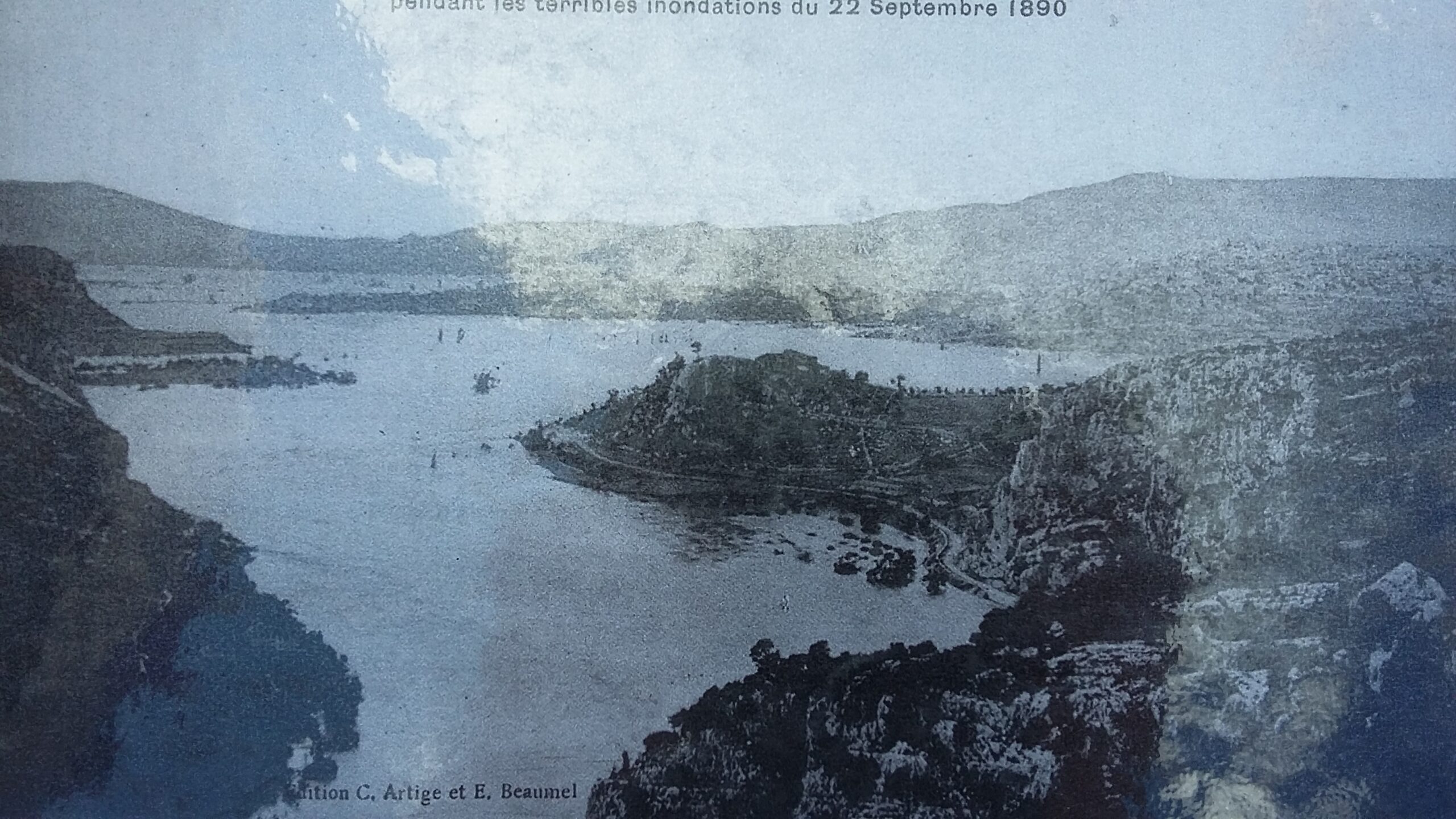
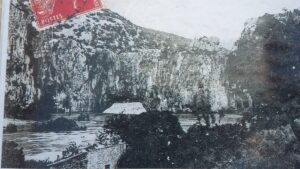
 The flood of 22 September 1890
The flood of 22 September 1890 is a significant event in the history of Ardèche, our region in south-eastern France, known for its picturesque landscapes and turbulent rivers. This flood, which affected many towns, left an indelible mark on the collective memory of the inhabitants.
Today I came across an article that tells the tragic story of a family living on the banks of the river. In the village of Pont de Labeaume, a family and their home were swept away by the floodwaters of our beautiful river.
When I was little, I lived at the foot of the Ardèche mountains, lulled by the sound of the fontolière, swept away by the Ventadour rapids.
Today I live further south in Lagorce. A completely different setting, a Mediterranean setting.
Here is a link to this beautiful article about the tragic episode experienced by the Ranchon family.. https://niegles.fr/chroniques/tragedie-pont-de-labeaume-22-septembre-1890/?fbclid=IwY2xjawLgfb5leHRuA2FlbQIxMQBicmlkETF2aUZjc1dnbXZqOHZ3QldlAR7jya3_FfgGXfMRbxS_yHlBguxtKBECSjA0z6O2loON0LTCPRbt-5wciZVHtA_aem_HLXO145lPsxQaATeNn6NeA
On 22 September 1890, the Ardèche was still largely rural, and infrastructure was not as developed as it is today. Torrential rains fell on the region, causing water levels to rise rapidly and turning rivers into veritable torrents. The villages along the Ardèche were particularly affected, with flooded houses and cut-off roads. The inhabitants, surprised by the violence of the rising waters, had to deal with an unprecedented emergency situation.
Contemporary accounts describe scenes of devastation. The usually peaceful rivers turned into veritable walls of water, sweeping away everything in their path. Bridges, often built of stone, were unable to withstand the force of the floodwaters, and many buildings were severely damaged. The material losses were considerable, but above all, human lives were put at risk. Rescue services were mobilised, but the difficult weather conditions complicated rescue operations.
In environmental terms, this flood also had lasting effects. Rivers changed course due to erosion, and some landscapes were profoundly transformed. The authorities realised the importance of water management and began to implement measures to prevent future flooding. This led to river improvement works and better urban planning. Today, alerts are issued and websites such as vigicrue provide information on rising water levels. https://www.vigicrues.gouv.fr/
On 22 September 1890, the Ardèche rose to 21 metres. One hundred years later, on 22 September 1992, it burst its banks again, causing extensive damage and rising to 12 metres. I remember the power of the river and the panic. The prefecture closed schools…
The flood of 22 September 1890 on the Ardèche is an event that had a profound impact on the region. It highlighted the vulnerability of populations in the face of the forces of nature, while revealing the strength of human solidarity. These episodes remind us of the importance of respecting nature.
Our territories are subject to Cévenol storms and successive floods, but sometimes one or even two generations pass without an extreme event occurring. It is therefore essential that we preserve the memory of past floods in order to maintain awareness of the risk. Flood marks are tangible signs on walls or bridges that show us how high the water rose and remind us that it could happen again…

